


DIGITAL TRANSFORMATION, THE PROCESS OF DIGITAL TRANSFORMATION
With this definition that Herbert makes in the handbook “Digital Transformation: Build Your Organization’s Future for the Innovation Age” -Bloomsbury Publishing PLC, 2017-let’s go into more detail about the concept of digital transformation right away:
“Digital Transformation is not about an organization’s use of a specific set of new technologies; it is about an organization’s ability to react to and successfully use new technologies and procedures-now and in the future. This includes adopting processes and tools that enable individuals to investigate, experiment with, and strategically employ new technologies on an ongoing basis.” Lindsay Herbert
Digital transformation: what is it all about?
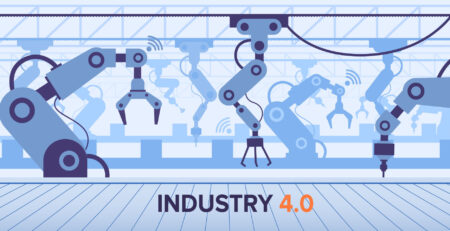
Let’s start by saying that Digital Transformation and Industry 4.0 (we have already discussed it here in this article) go hand in hand . In fact, by Industry 4.0 we are talking about the fourth industrial revolution, which is the trend by organizations or companies to use industrial automations, that go to integrate many of the new technologies, particularly digital ones. So we are talking about a

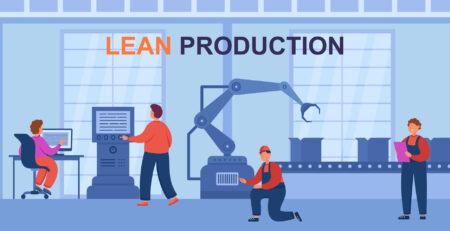
Digital transformation , or digital transformation, on the other hand, basically means an organizational change in business. A process that, when implemented, goes to streamline production processes-in the same vision as Lean Production-deepen here.
The process of implementing this new organizational vision, is never simple. Moving from a traditional method to a digital transformation process, for an enterprise, certainly presents difficulties. If we think about it, changing the nature of a company, of an organization, of an SME, big or small, certainly means going to drastically affect the way people work, and therefore their daily routine, their habits.
In the case of digital transformation it is going to affect not only the business modus operandi, but directly affect the way workers think and act. The daily processes and strategies that people have relied on until now will suddenly go through a change.
Although initially these aspects represent an adjustment problem in the way of working, as far as managers, employees and all stakeholders in the organizational-business process are concerned, they also constitute many advantages, which in time can be very profitable for the business. Digital transformation is a complex process to implement and often, initially, daunting: it is, yes, a new way of approaching everyone’s work, but also an‘opportunity to learn new technological skills, necessary to be able to implement this change.
Having overcome the most complex initial problems, digital transformation will enable the company to become more efficient, thanks to data and new technologies, and more agile in taking advantage of greater business opportunities.
Business Planning and Organization VS Digital Transformation
Digital Transformation is nothing more than a digital attitude, to be incorporated within business planning and organization, in order to always be able to respond to technological threats and opportunities. A change that goes to affect not only a company’s operations, but also its vision. The digitization of business and/or industrial processes, whether large or small, constitutes in itself a major revolution that is going to transform all traditional assets, necessarily involving the entire workforce, from production to logistics, from marketing to management.
Every job certainly has its own language, its own way of operating and acting, and digital transformation is a concept that cuts across all sectors. Digital certainly means technology, but it is not meant to stand for only that.
Certainly, in the first phase, the company’s IT department will be crucial to the transformation process, but it is equally important to understand that not only they have to take part: technology is certainly an essential part of the company’s digital transformation, but not the only one.
Digital transformation is not just about some departments within the company, but rather, it is part of a much broader ecosystem, which has to attract all people within the organization and encompass all processes, in order to be successful.
So it behooves businesses that want to keep up with the times and be advocates for change, not to be overwhelmed by it, rethink all business processes and assets, guided, of course, by a new business strategy.
Industrial Automation and Digital Transformation
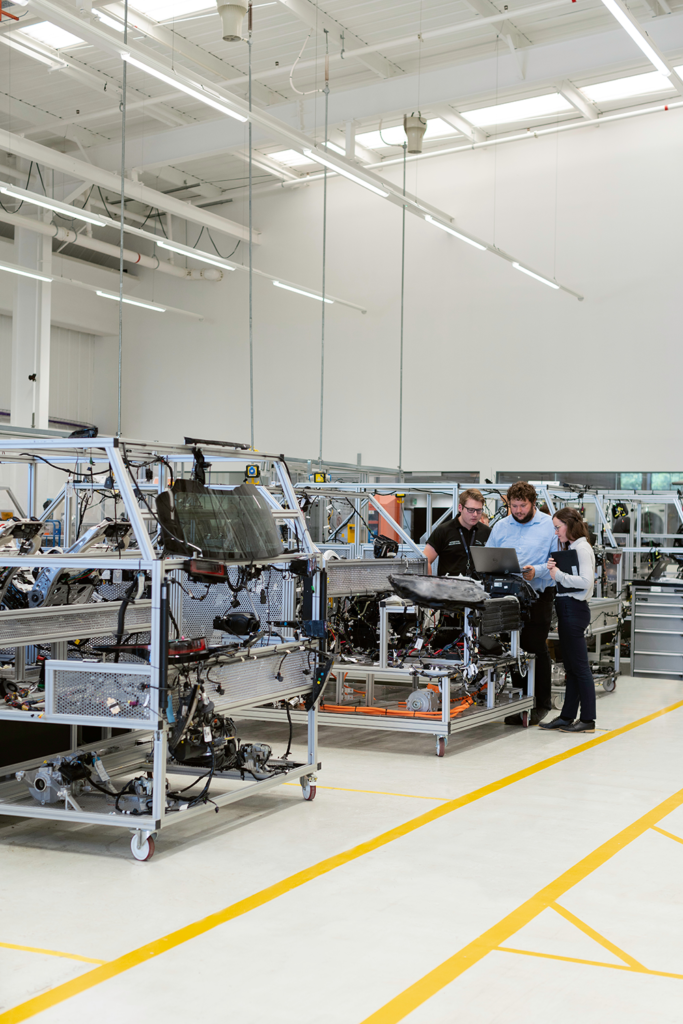
This new digital vision and process evolution will result in the production of new products or services in less time, with lower costs, and with greater efficiency than the normal, traditional production processes to which we were accustomed, with one goal: maximize resources, optimize energy.
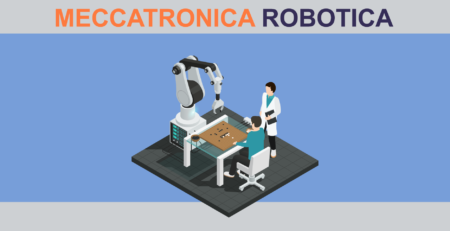
The robotics and industrial automation go hand in hand with the theme of digital transformation. The goals are the same, such as improving product quality,optimizing time and costs, and reducing processing waste, resulting in energy savings, thus going directly to the issue of environmental sustainability, a hot topic in recent years, for which many companies are making great strides (such as Emerson: the 4 pillars of environmental sustainability – read more here).
Conclusions on Digital Transformation
Thanks to digital transformation, we are able to have a huge amount of relevant data at our fingertips at all times, thanks to intelligent analytics, which go to promote the business value. Leaders or managers, thanks to such data, will be able to make better business decisions, thanks to optimized and more up-to-date information. Thanks to digital transformation, industrial plant managers, to give just one example, can harness data and information from new sensors and make it actionable, empowering them to detect issues before they arise, mitigate problems, and optimize operations.