

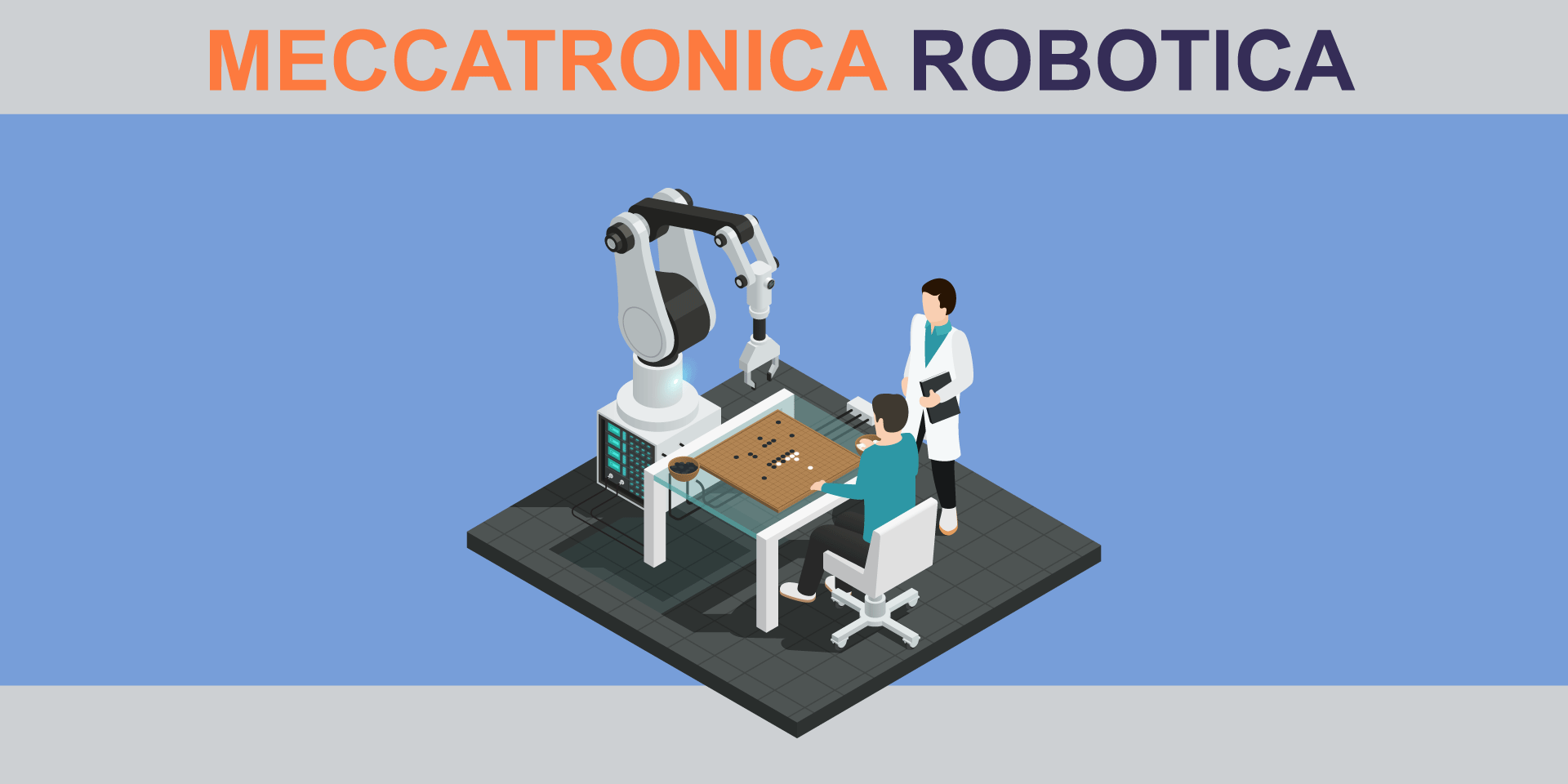
MECHATRONICS AND ROBOTICS: NEW MANUFACTURING PROCESSES
Mechatronics merges two terms, namely “electronics” and “mechanics “and is a discipline that originally originated in the field of modeling, especially that of simulation and prototyping of control systems.
In the Japanese interpretation of the term, it goes to mean a joint and coordinated application of a set of technologies involved in making particular mechanical devices. Fukada and Harashima defined it as such in 1996:
“Mechatronics are those systems with synergistic integration of mechanical engineering, electronics and intelligent control systems.”
Today essentially mechatronics means the interaction of three disciplines-mechanics, electronics and computer science.
When we talk aboutmechatronic engineering , we mean the science that studies and designs the robotics. Thus, mechatronics is also concerned with robotics, control systems, and electromechanical systems. Today, mechatronics has assumed significant importance in the industrial world because it enables manufacturing companies to be more competitive and automate production processes .
What is the difference between mechatronic devices and electro-mechanical devices?
In electro-mechanical devices, motion is generated by physical phenomena of an electrical nature.
In mechatronics, on the other hand, this motion is generated by electronics.In mechatronic devices, electronic components are directly inserted into mechanical systems, to the point of becoming an integral part of them.Mechatronics allows for an organic, interdisciplinary approach to problems related to the design of complex, highly integrated systems: robots, machine tools, servo-controlled devices for automobiles, aircraft, and more.

Employment of mechatronics
One of the innovative areas where it is particularly useful to use the mechatronic approach is in controlled handling, which is useful not only for raising the quality of performance but also for improving cost-effectiveness.
The use of mechatronics in general enables:
- Having controlled movement without oversizing the mechanical structure and related components
- Achieve better functional performance with lower operating and maintenance costs
- Making it easier for users to control and diagnose processes, which are increasingly complex
- Making the whole system more cost-effective
Robotics and industrial automation
From the Treccani, definition of robotics:
“Robotics is the discipline that deals with the design and implementation of robots and their possible applications. In this science, both the research and technological application phases integrate skills from mechanics, computer science and electronics.”
Industrial robotics is a field that has been developing in recent years and sees the use of automations , or automated systems, as an integral part of industrial work. In industrial robotics, an automation system therefore, replaces a human on the assembly line, accomplishing work at a constant and tireless pace.
All mechanical tools that are designed to autonomously perform a certain automatic action, a certain repeated task, are part of industrial robotics. The automated system is called a robot.
Item is among the world’s largest manufacturers and leaders in robotic and mechatronic solutions: you can find an entire category dedicated to mechatronics and robotics here (remember to select the robotics category).

The subject of robotics is such a broad topic that it deserves to be addressed separately, in another article.
So stay connected!